



23 June 2026
Building Resilient Food Systems in a Changing World
Why Food Systems Have Become a Global Priority
Food systems are under unprecedented pressure.
Climate change, population growth, resource constraints, geopolitical disruptions, emerging diseases, and shifting consumer demands are reshaping how food is produced, distributed, and consumed across the world.
While agriculture remains the foundation of food production, the future of food security depends on something much larger: resilient food systems.
Today, governments, researchers, businesses, and international organizations are increasingly recognizing that food security is no longer simply about producing more food. It is about creating food systems that can adapt, recover, and thrive in the face of complex global challenges.
What Are Food Systems?
A food system encompasses every stage involved in delivering food from farms to consumers.
This includes:
- Agricultural production
- Livestock and animal health
- Food processing
- Transportation and logistics
- Retail and distribution
- Food consumption
- Waste management
- Environmental resources
- Public health systems
Food systems influence not only food availability but also nutrition, livelihoods, economic development, environmental sustainability, and human health.
Because these elements are interconnected, disruptions in one part of the system can affect the entire chain.
Why Food Systems Are Becoming More Vulnerable
Modern food systems face a growing range of risks.
Climate Change
Extreme weather events, prolonged droughts, flooding, heat stress, and changing rainfall patterns continue to impact agricultural productivity worldwide.
Climate-related disruptions affect crop yields, livestock health, water availability, and supply chain stability.
Global Population Growth
The world’s population is expected to continue growing over the coming decades, increasing demand for food, water, energy, and agricultural resources.
Meeting this demand sustainably remains one of the defining challenges of our time.
Emerging Diseases
Animal diseases, plant pathogens, and zoonotic threats can rapidly disrupt food production systems and international trade.
The increasing interconnectedness of global food networks makes resilience more important than ever.
Supply Chain Disruptions
Recent global events have demonstrated how quickly food supply chains can be affected by transportation challenges, labor shortages, market instability, and geopolitical uncertainty.
These disruptions highlight the need for stronger, more adaptable systems.
The Connection Between Food Systems and Food Security
Food security exists when people have reliable access to sufficient, safe, nutritious, and affordable food.
Resilient food systems are the foundation of food security.
Without resilient systems:
- Food availability becomes unstable.
- Food prices become unpredictable.
- Nutritional outcomes decline.
- Vulnerable communities face greater risks.
Building resilience means ensuring that food systems can continue functioning effectively even during periods of disruption.
Why the One Health Approach Matters
Food systems do not operate independently.
Human health, animal health, environmental health, and food production are deeply connected.
The One Health approach recognizes these interdependencies and promotes collaboration across sectors to address shared challenges.
For example:
- Healthy ecosystems support sustainable agriculture.
- Healthy animals contribute to safe and reliable food production.
- Safe food systems protect public health.
- Effective disease surveillance strengthens agricultural resilience.
This integrated perspective is increasingly important as global food systems become more complex.
Technology and the Future of Food Systems
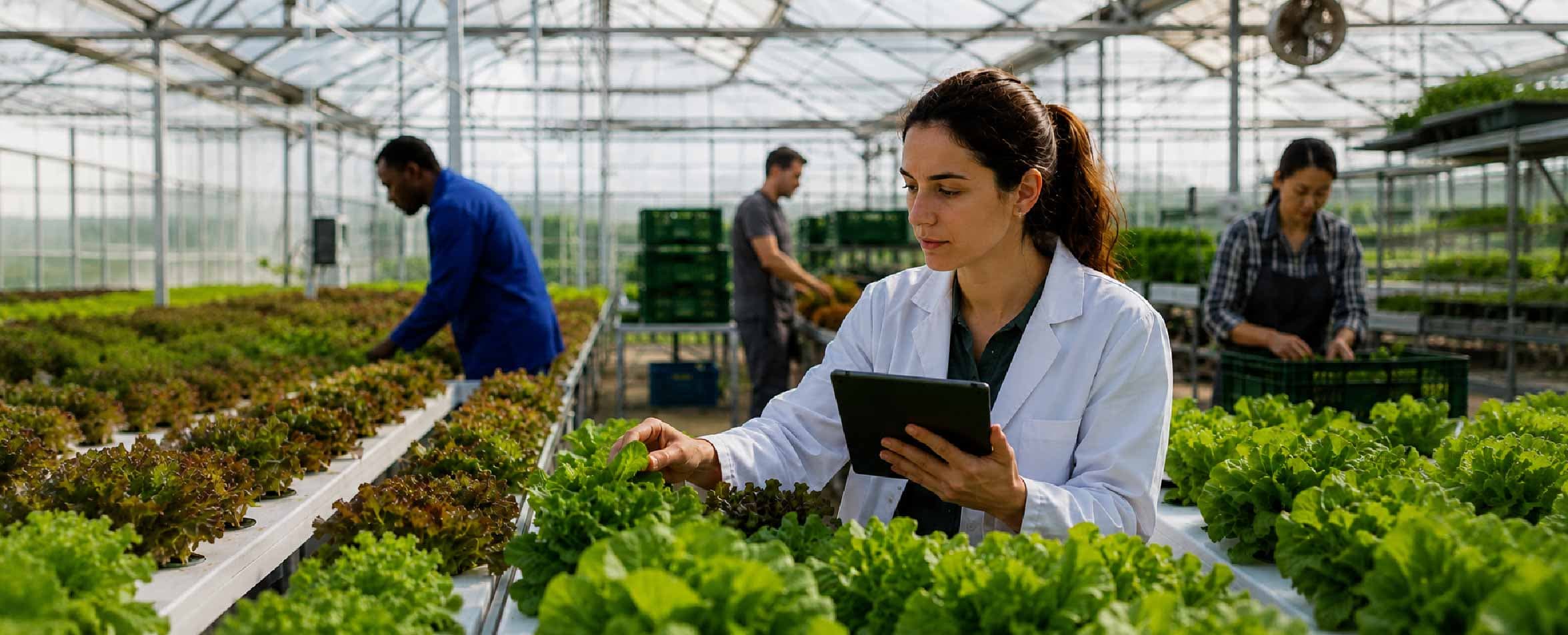
Technology is transforming how food systems operate.
Innovations across agriculture, animal health, logistics, and food production are helping improve efficiency, sustainability, and resilience.
Key technologies include:
Artificial Intelligence
AI enables predictive analytics for crop performance, disease detection, weather forecasting, and supply chain optimization.
Precision Agriculture
Advanced sensors, satellite monitoring, drones, and data-driven decision-making help farmers use resources more efficiently.
Smart Livestock Systems
Digital monitoring tools improve animal health management, productivity, and disease surveillance.
Data-Driven Supply Chains
Real-time monitoring and analytics improve food traceability, logistics management, and risk assessment.
These technologies help create systems that are better prepared for future challenges.
Sustainability as a Core Requirement
Resilience and sustainability must go hand in hand.
Food systems cannot remain resilient if they degrade natural resources or contribute to long-term environmental challenges.
Sustainable food systems focus on:
- Soil health
- Water conservation
- Biodiversity protection
- Resource efficiency
- Reduced food loss and waste
- Climate adaptation
Balancing productivity with sustainability will be essential for long-term food security.
The Importance of Global Collaboration
No single organization, sector, or country can address food system challenges alone.
Building resilient food systems requires collaboration among:
- Researchers
- Policymakers
- Farmers
- Industry leaders
- Investors
- Technology innovators
- Public health experts
- International organizations
Cross-sector partnerships encourage innovation, accelerate knowledge sharing, and support scalable solutions.
As global challenges become increasingly interconnected, collaborative action becomes even more critical.
Looking Ahead
The future of food security depends on our ability to strengthen resilience across entire food systems.
Investments in innovation, research, technology, sustainability, and collaboration will play a crucial role in shaping how food is produced and distributed in the coming decades.
Organizations, governments, and industry leaders that prioritize resilient food systems today will be better prepared to navigate tomorrow’s challenges.
Conclusion
Food systems are at the center of some of the world’s most important conversations about sustainability, health, economic development, and food security.
Building resilient food systems requires an integrated approach that recognizes the connections between agriculture, animal health, environmental stewardship, technology, and public health.
As the world continues to change, resilience will become one of the defining characteristics of successful food systems.
The future of food security will depend not only on what we produce, but on how effectively our food systems can adapt, evolve, and endure.
Key Takeaways
- Food systems connect agriculture, animal health, environment, logistics, nutrition, and public health.
- Climate change and global disruptions are increasing pressure on food systems.
- Resilient food systems are essential for long-term food security.
- Technology is helping improve efficiency, traceability, and sustainability.
- The One Health approach supports stronger and more integrated food systems.
- Global collaboration is critical to addressing future food challenges.
Frequently Asked Questions
Resilient food systems are systems that can withstand disruptions, adapt to challenges, and continue providing safe and nutritious food.
Food systems influence food security, nutrition, environmental sustainability, public health, and economic development.
Climate change impacts crop production, livestock health, water availability, and supply chain stability.
Technology improves agricultural productivity, disease surveillance, supply chain management, and sustainability.
One Health promotes collaboration between agriculture, animal health, environmental science, and public health to strengthen food system resilience.
Resilient food systems ensure stable food supplies even during environmental, economic, or public health disruptions.
SHARE :