




12 June 2026
What Is One Health and Why Does It Matter for Agriculture?
Introduction
Agriculture has traditionally focused on producing food, improving crop yields, and supporting livelihoods. However, today’s challenges are becoming increasingly interconnected. Climate change affects crop productivity, animal diseases threaten food supplies, and environmental degradation impacts both human and animal health.
As these challenges become more complex, a new framework is gaining global attention: One Health.
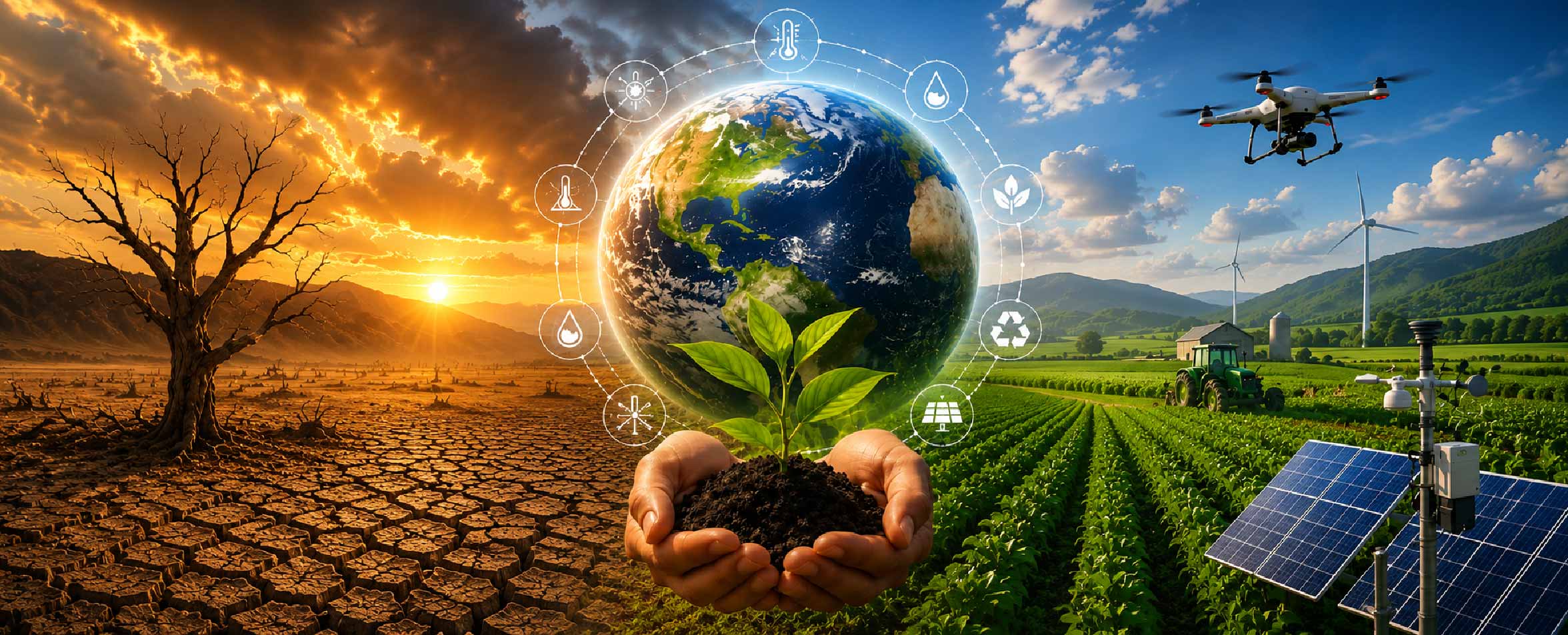
The One Health approach recognizes that human health, animal health, and environmental health are deeply connected. Rather than addressing these areas separately, One Health promotes collaboration across disciplines to create healthier ecosystems, stronger food systems, and more sustainable agricultural practices.
What Is One Health?
One Health is an integrated approach that recognizes the interdependence of people, animals, plants, and the environment.
The concept encourages experts from agriculture, veterinary sciences, public health, environmental sciences, technology, and policy to work together to solve complex global challenges.
The objective is simple: healthier ecosystems lead to healthier animals, healthier people, and more resilient food systems.
Why Agriculture Is Central to One Health
Agriculture sits at the intersection of food production, environmental management, and animal health.
Farmers rely on healthy soils, clean water, productive livestock, and stable ecosystems to maintain agricultural productivity. Any disruption in one area can have consequences across the entire food chain.
For example:
- Animal diseases can reduce food production and impact food security.
- Water contamination can affect crop quality and public health.
- Environmental degradation can reduce agricultural productivity and biodiversity.
This interconnected nature makes agriculture a critical component of the One Health framework.
The Connection Between Human, Animal, and Environmental Health
The relationship between these three systems is becoming increasingly evident.
Human Health: Access to safe, nutritious food depends on healthy agricultural systems.
Animal Health: Livestock play a significant role in food production, livelihoods, and rural economies.
Environmental Health: Healthy ecosystems support pollination, soil fertility, water regulation, and climate resilience.
When one system is weakened, the effects are often felt across the others.
One Health and Food Security
Food security is no longer only about producing enough food.
Today’s food systems must also address:
- Climate volatility
- Resource scarcity
- Emerging diseases
- Biodiversity loss
- Supply chain disruptions
The One Health approach helps create more resilient food systems by encouraging collaboration across sectors and promoting sustainable agricultural practices.
Technology Is Accelerating Agricultural Adaptation
Global Examples of One Health in Action
Around the world, governments, research institutions, and agricultural organizations are adopting One Health strategies.
Examples include:
- Integrated disease surveillance programs.
- Sustainable livestock management systems.
- Climate-smart agriculture initiatives.
- Food safety and nutrition programs.
- Environmental conservation projects linked to farming systems.
These efforts demonstrate how cross-sector collaboration can strengthen agricultural resilience and improve long-term sustainability.
Challenges to Implementing One Health
Despite growing recognition, several challenges remain:
- Limited cross-sector coordination.
- Data sharing barriers.
- Resource constraints.
- Policy fragmentation.
- Lack of public awareness.
Addressing these challenges requires stronger partnerships between researchers, policymakers, industry leaders, and practitioners.
The Future of One Health in Agriculture
As agriculture faces increasing pressure from climate change, population growth, and resource limitations, the importance of One Health will continue to grow.
Future agricultural systems will increasingly depend on:
- Integrated research.
- Digital technologies.
- Predictive intelligence.
- Sustainable resource management.
- Global collaboration.
The One Health approach provides a framework for addressing these interconnected challenges while supporting long-term food security and environmental sustainability.
Conclusion
The future of agriculture cannot be separated from the health of animals, people, and the environment.
One Health offers a practical and collaborative approach to building resilient food systems, improving sustainability, and addressing some of the most pressing global challenges facing agriculture today.
As conversations around food security, climate resilience, and agricultural innovation continue to evolve, One Health is becoming an essential framework for shaping the future of agriculture.
Frequently Asked Questions
One Health is a collaborative framework that recognizes the connection between human, animal, and environmental health.
It helps improve food security, disease management, sustainability, and environmental resilience.
It promotes healthier ecosystems, stronger agricultural systems, and more sustainable food production.
Examples include disease surveillance, climate-smart agriculture, sustainable livestock management, and food safety programs.
Climate change affects ecosystems, animal health, food production, and human wellbeing simultaneously.
Researchers, farmers, veterinarians, environmental experts, policymakers, and public health professionals all play important roles in One Health initiatives.
Key challenges include coordination across sectors, policy integration, funding limitations, and data-sharing barriers.
As global challenges become increasingly interconnected, One Health provides integrated and multidisciplinary solutions to improve health, sustainability, and resilience.
SHARE :