



7 October 2026
How to Choose the Right International Agriculture Conference for Your Research
Finding the right agriculture conference is not simply about choosing an event with a relevant title.
For researchers, the right conference should offer more than a presentation slot. It should provide a relevant scientific audience, meaningful discussion, opportunities for collaboration and a pathway for research to connect with industry, policy and practical application.
As agriculture becomes increasingly connected with food security, climate resilience, animal health, biotechnology, digital technologies and One Health, researchers need to evaluate conferences by the quality and relevance of the ecosystem around them.
1. Start With the Scientific Scope
The first question is simple: does the conference genuinely cover your research area?
Review the conference themes, technical sessions, research tracks, speaker expertise and intended audience. A multidisciplinary conference can be especially useful when research crosses traditional boundaries—for example, work connecting livestock, food safety, environmental health and public health.
2. Look at Who Is Actually Participating
A conference becomes more valuable when the audience matches your professional objective.
Look for participation from researchers, universities, research institutes, government and policy stakeholders, agriculture and food companies, AgriTech innovators, investors, veterinary professionals and food-system specialists.
For researchers, this can determine whether the conference creates visibility only inside academia or opens doors to the wider agricultural ecosystem.
3. Evaluate the Speakers and Scientific Leadership
Do not judge a conference only by the number of speakers.
Look at who they are, where they work and what they contribute. A credible programme should bring together scientific, institutional, industry and policy perspectives relevant to the conference scope.
4. Look for Research-to-Application Opportunities
A strong research conference should create opportunities to discuss how evidence moves toward implementation.
Consider whether the programme connects research with innovation, policy, industry, technology, funding or practical application. This is especially important in areas such as climate resilience, food security, animal health, digital agriculture, food safety and sustainable production.
5. Consider Geographic Relevance
International participation matters when your work has regional or cross-border relevance.
For researchers interested in the Middle East and wider international agricultural ecosystem, Dubai can be a useful meeting point for science, technology, business and policy conversations. The key is not simply the location; it is whether the conference connects you with the people and institutions relevant to your work.
6. Check Participation Formats
Look for clear options for presenting research, submitting an abstract, attending as a delegate, joining panels, presenting a poster, networking and participating virtually where available.
7. Examine the Research and Publication Ecosystem
Before submitting, verify whether abstracts or papers are accepted, whether proceedings or publication opportunities exist, what peer-review process applies and which journals or publishers are involved.
Publication claims should always be checked against the conference's current official information.
8. Don't Ignore Networking
The value of networking is not the number of contacts collected. It is the relevance of the people you meet.
Researchers should look for opportunities to connect with collaborators, institutions, industry partners, policy stakeholders and other scientists working on related problems.
9. Check Whether 'International' Is Reflected in the Audience
Look beyond the word international in the event title. Review countries represented, speakers, participating institutions, previous delegates and supporting organisations.
10. Ask the Most Important Question
Will my research reach people who can understand it, challenge it, collaborate on it, apply it or help move it into practice?
If the answer is yes, the conference may be worth considering.
Researcher's Quick Checklist
- Relevant scientific scope
- Credible and relevant speakers
- Strong institutional participation
- International audience
- Research presentation opportunities
- Interdisciplinary discussions
- Industry and policy participation
- Networking opportunities
- Transparent submission process
- Clear publication information
- Physical and/or virtual participation options
Where GARCX 2026 Fits
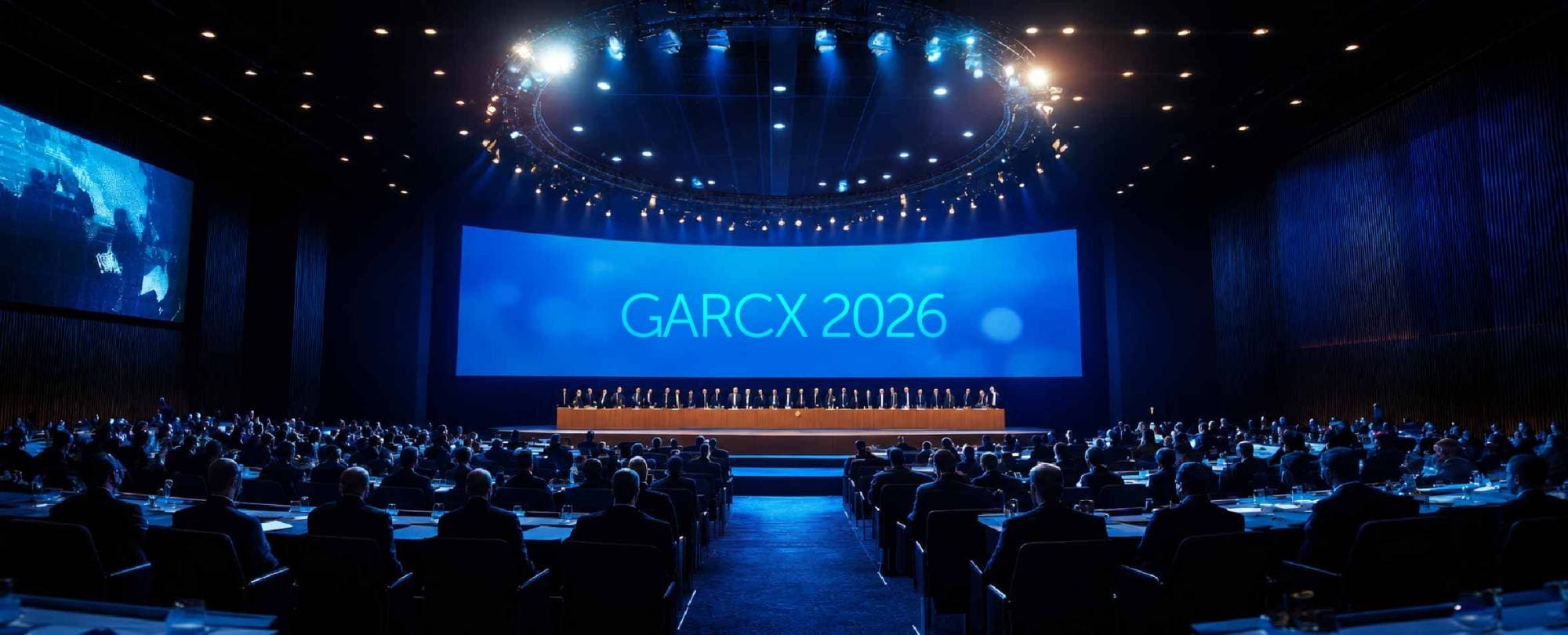
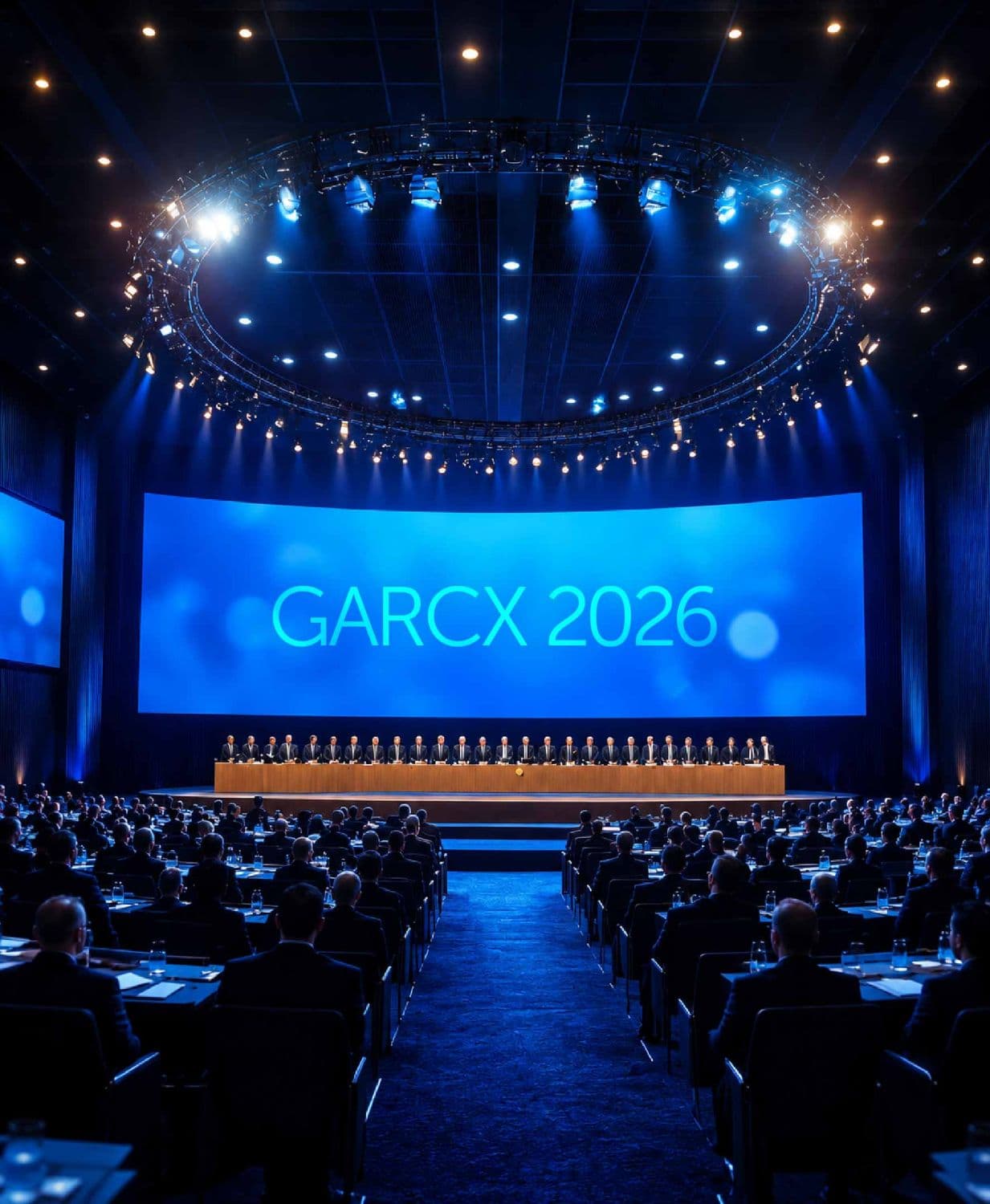
GARCX 2026 is a hybrid international conference scheduled for 23–24 November 2026 in Dubai, bringing together researchers, industry leaders, policymakers, investors and innovators across agriculture, animal health, food systems and One Health.
For researchers whose work sits at these intersections, the most useful next step is to review the current GARCX programme and Call for Papers and decide whether the themes and audience match the research objective.
- Conference Agenda | GARCX 2026 | Dubai, 23–24 November
- GARCX 2026 Speakers | Agriculture, Animal Health & AgriTech
- Call for Papers & Abstract — Agricultural Research Communication Centre | ARCC Journals | Since 1967
- GARCX 2026 Delegate Registration | Dubai & Online
Frequently Asked Questions
Look for scientific relevance, credible speakers, international participation, research presentation opportunities, interdisciplinary discussion, networking, publication information and a transparent submission process.
The best conference depends on the researcher's subject area, objectives, target audience and desired outcomes. Compare scientific scope, speakers, participants, research opportunities and professional relevance.
They can provide opportunities to present findings, receive expert feedback, develop collaborations, meet industry and policy stakeholders and understand emerging research directions.
Dubai hosts international professional and scientific events across agriculture, food systems, technology and related fields. GARCX 2026 is scheduled for 23–24 November 2026 in Dubai with hybrid participation.
Share :