



3 November 2026
Antimicrobial Resistance in Livestock and Food Systems: Why Surveillance and Prevention Matter
Introduction
Antimicrobial resistance (AMR) is a major challenge at the intersection of animal health, human health, food systems and the environment. It occurs when microorganisms, including bacteria, develop the ability to survive medicines that would previously have controlled them. Resistant infections can become harder to treat and may spread through connected human, animal and environmental pathways.
Livestock production is part of this wider picture. Antimicrobial medicines are important tools for treating bacterial infections and protecting animal welfare. However, unnecessary or poorly targeted use can create selection pressure that favours resistant microorganisms. Weak disease prevention can compound the problem by increasing the frequency of infections and the need for treatment.
Addressing antimicrobial resistance in livestock is therefore not simply about reducing medicine use. It requires prevention, veterinary oversight, reliable surveillance and collaboration across the food chain.
What is antimicrobial resistance in livestock?
Antimicrobial resistance in livestock refers to resistance found in microorganisms associated with farm animals and animal production environments. It may involve bacteria that cause disease in animals as well as bacteria that can move through food-chain or environmental pathways. Resistance can arise through genetic changes and can spread when resistance genes move between microorganisms.
The concern is not that every use of an antimicrobial is harmful. Appropriate treatment can be essential. The challenge is avoidable exposure, incorrect administration, treatment without suitable diagnosis, or using medicines in ways that do not follow veterinary direction. The patterns of resistance differ by organism, animal species, production system and region.
Why livestock AMR matters for One Health
The One Health approach recognises that people, animals, plants and ecosystems share interconnected health risks. AMR makes this connection clear.
- Animal health and welfare: Resistant infections may be more difficult and costly to treat. Treatment failure or delayed recovery can affect animal welfare and farm productivity.
- Food safety: Food-producing animals may carry resistant bacteria. Hygiene during slaughter, processing, storage and food preparation helps reduce contamination risks. Food-chain controls are one part of a broader prevention approach.
- Human health: Resistant bacteria and resistance genes can move between people, animals and environments through several routes. The importance of each route varies by organism and setting, so risk assessments should be evidence-led.
- Environmental health: Manure, wastewater, runoff and poorly managed waste may introduce resistant microorganisms or antimicrobial residues into the environment. Responsible waste management can help limit avoidable dissemination.
How resistance emerges and spreads on farms
Several factors can interact. Unnecessary or poorly targeted treatment can expose microorganisms to medicines without an appropriate health benefit. Incorrect dose, duration or administration may compromise treatment; protocols should be set by a qualified veterinarian and followed as directed. Overcrowding, poor ventilation, inadequate nutrition, stress and weak sanitation can increase disease pressure. Animal movements, shared equipment and inadequate cleaning can spread infectious agents between groups. Limited access to diagnostics and incomplete treatment records make it harder to identify trends and choose targeted interventions.
These risks are not identical on every farm. Effective action should reflect local disease patterns, farm conditions, veterinary advice and the production system.
Practical measures to reduce AMR risk
Strengthen disease prevention. Good husbandry, suitable stocking density, clean water, balanced nutrition, ventilation, vaccination where appropriate and prompt attention to sick animals can reduce infection pressure.
Use antimicrobials responsibly. Treatment decisions should be made under veterinary oversight and informed by clinical assessment and diagnostics where feasible. Follow prescribed instructions and keep accurate records. Medicines should never substitute for sound management.
Improve farm biosecurity. Establish routines for cleaning and disinfection, visitor management, equipment hygiene, animal introductions, isolation of sick animals and safe waste disposal.
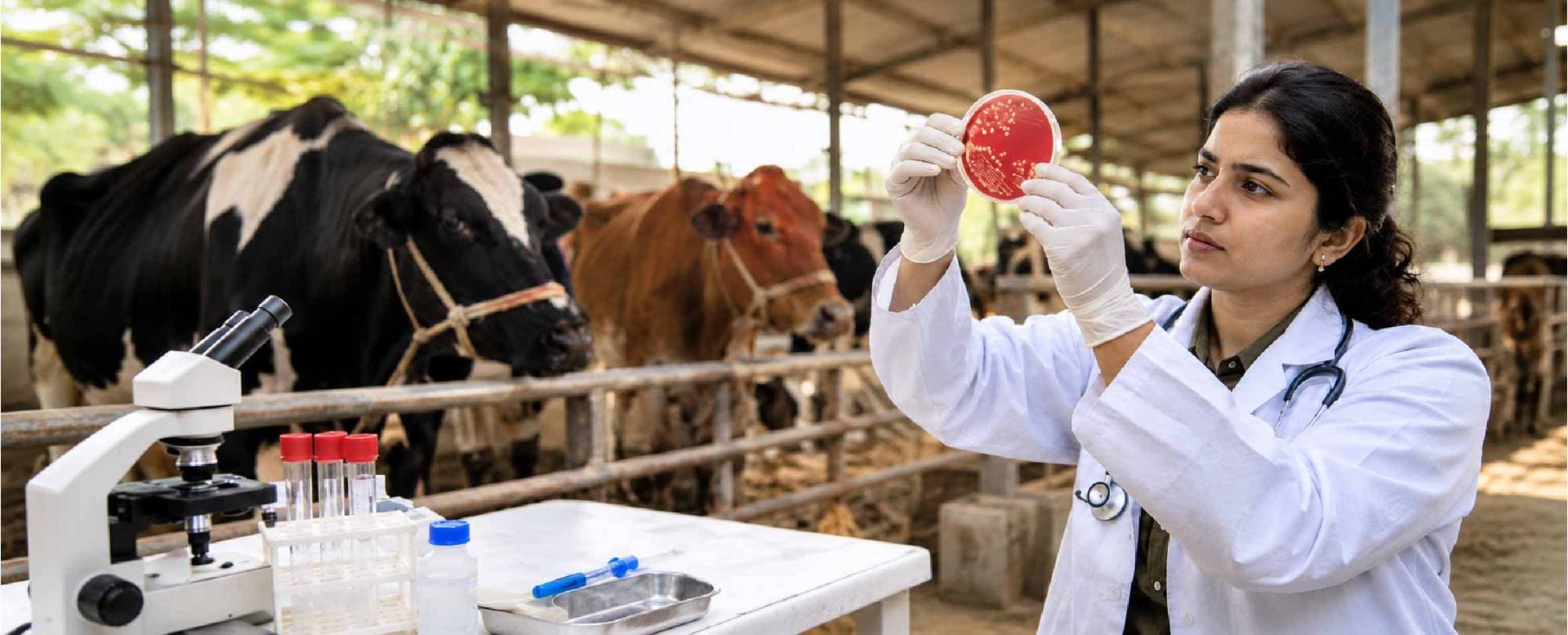
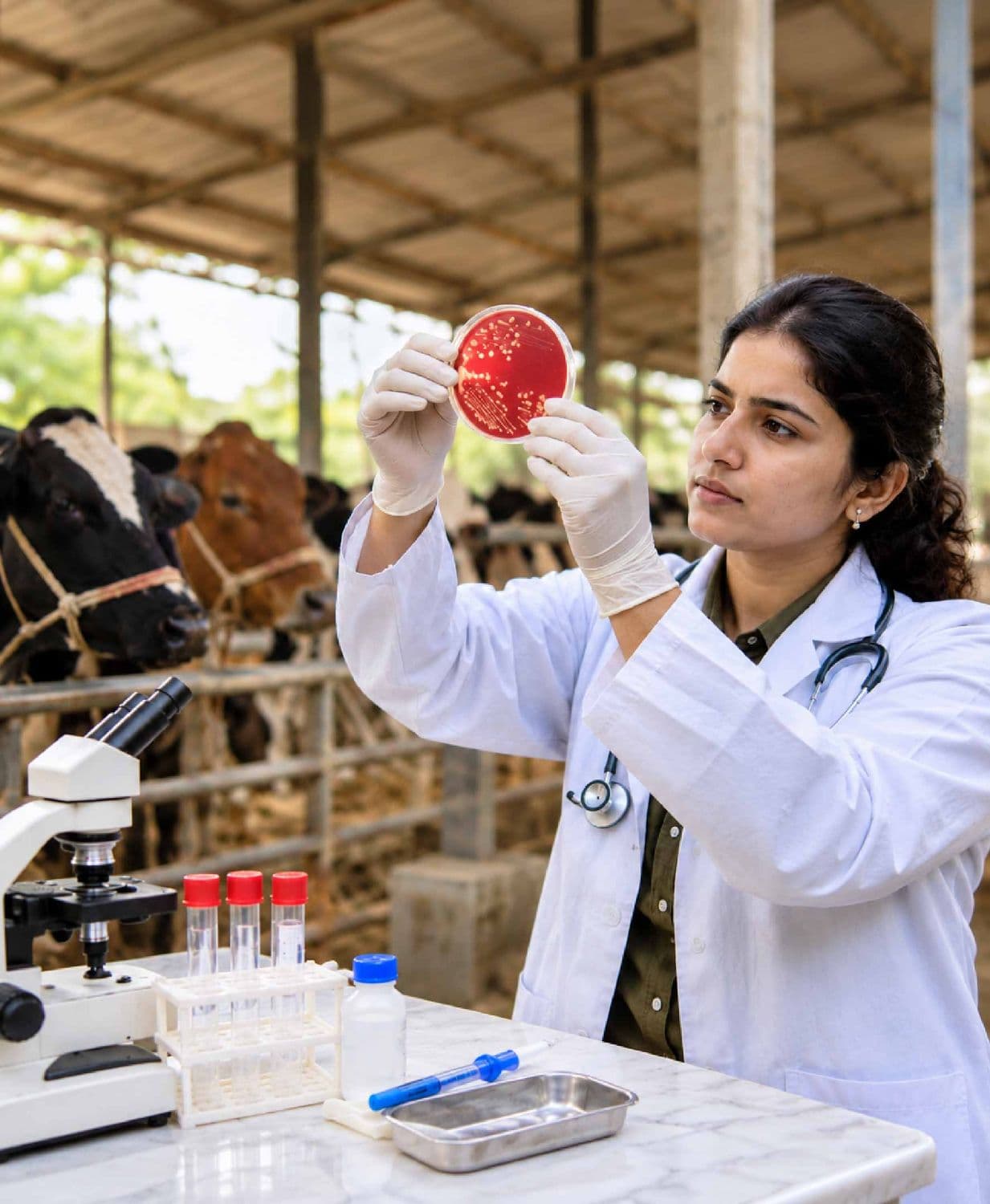
Build diagnostic capacity. Pathogen identification and antimicrobial susceptibility testing can support more informed treatment decisions. Timely access to diagnostics remains a challenge in some production settings.
Monitor use and resistance. Record products used, reasons for treatment, species, quantities and outcomes. Coordinated surveillance can identify emerging patterns and help evaluate interventions.
Invest in training and collaboration. Farmers, veterinarians, laboratory teams, regulators and food-chain stakeholders need practical guidance and opportunities to share evidence.
The role of surveillance and research
Surveillance turns individual observations into evidence that can guide decisions. A programme may combine information on antimicrobial consumption, resistance in relevant bacteria, animal disease trends and selected food or environmental samples. Consistent sampling, laboratory methods and reporting are essential for meaningful comparisons.
Research can improve understanding of how resistance emerges, which pathways matter in different settings and which interventions deliver measurable benefits. Priorities include accessible diagnostics, better vaccines, improved waste treatment and practical approaches that support responsible medicine use. Data gaps should be acknowledged: differences in sampling, laboratory methods, species coverage and reporting can limit comparisons.
Collaboration among veterinary and human-health laboratories, universities, producers and public agencies can strengthen the quality and usefulness of evidence.
Conclusion: prevention is a shared investment
Antimicrobial resistance in livestock is a veterinary, food-system and One Health challenge. Progress requires coordinated prevention, responsible treatment, reliable surveillance and sustained research. The objective is not to withhold necessary care from animals; it is to protect the effectiveness of essential medicines while reducing avoidable infections and transmission.
By connecting animal health, food safety, environmental management and public health, the livestock sector can contribute to a more resilient food system.
GARCX 2026: Further discussion
Explore GARCX 2026 for cross-sector discussions on One Health, animal health, food systems and research-led solutions. The hybrid conference takes place on 23–24 November 2026 in Dubai, UAE.
Conference agenda | Delegate information
Frequently Asked Questions
Resistance can arise through genetic changes or acquired resistance genes. Inappropriate or unnecessary antimicrobial exposure can select for resistant organisms, while weak infection prevention can help them spread.
Resistant bacteria and resistance genes can move between animals, people and environments through multiple pathways. Risk depends on the organism, setting and exposure.
No. Antimicrobials remain important for treating bacterial infections and protecting animal welfare. The goal is responsible, evidence-based use under veterinary oversight.
Prevent disease, strengthen hygiene and biosecurity, follow veterinary treatment plans, keep medicine-use records and use diagnostics where available and appropriate.
It connects animal, human and environmental health expertise so that surveillance and interventions address shared risks.
Share :