
 23rd-24th November 2026
 Dusit Thani, Dubai | Hybrid Event
GLOBAL AGROVET RESEARCH CONFERENCE

POWERED BY
ARCC JOURNALS
POWERED BY
ARCC JOURNALS

24 March 2026
Animal Welfare in Intensive Farming Systems
24 March 2026
Intensive farming systems have significantly increased the production of meat, milk, and eggs to meet the growing global demand. However, alongside productivity, ensuring proper animal welfare has become a critical concern. Animals raised in confined environments often face stress, limited movement, and higher risk of disease, making welfare-focused management essential.
Good animal welfare in intensive systems involves providing adequate space, proper nutrition, clean housing, and access to veterinary care. Maintaining optimal environmental conditions such as temperature, ventilation, and hygiene helps reduce stress and improves overall health and productivity of animals.
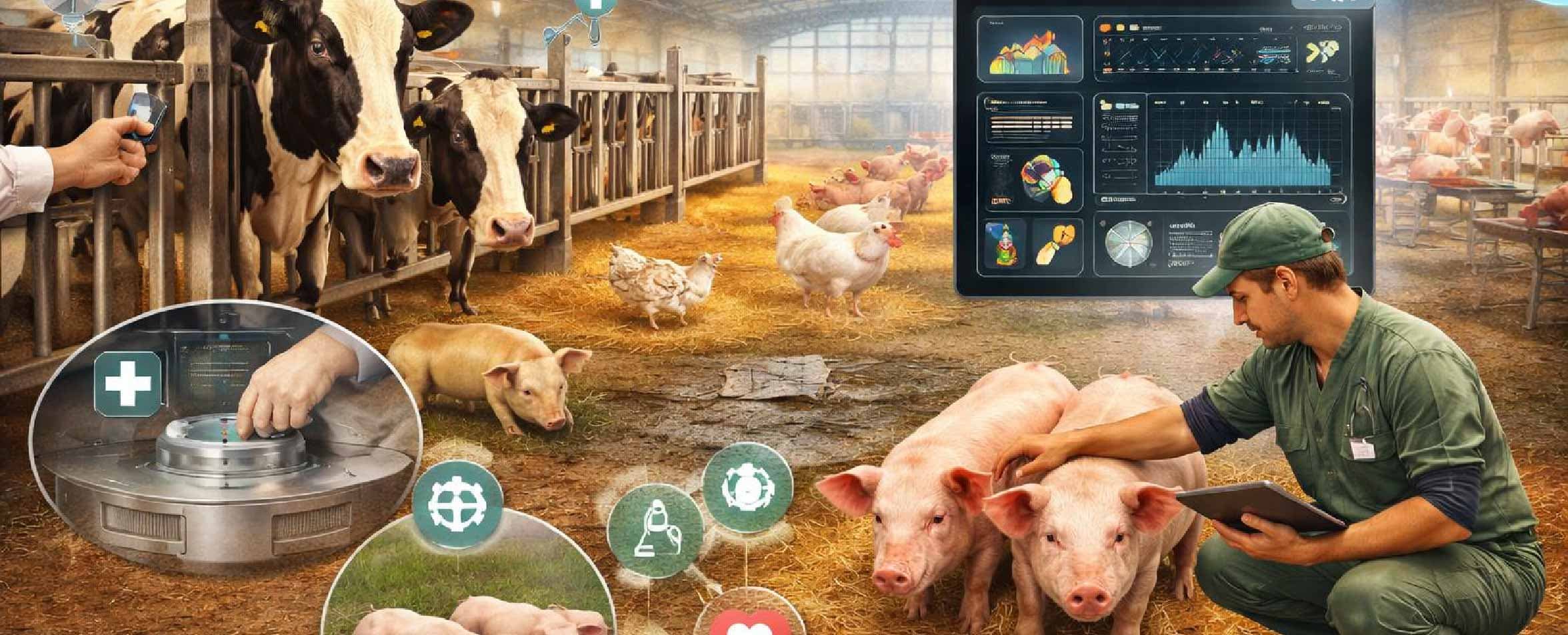
Modern approaches are now integrating technology to enhance welfare standards. Automated monitoring systems, sensors, and AI-based tools can track animal behaviour, detect early signs of illness, and ensure timely intervention. These innovations not only support animal well-being but also help farmers maintain efficiency.
Ethical farming practices are gaining importance, with consumers increasingly demanding products sourced from humane systems. Adopting welfare-friendly practices not only builds consumer trust but also leads to better quality products and sustainable farming.
In conclusion, balancing productivity with compassion is key in intensive farming systems. By prioritizing animal welfare, farmers can create healthier, more sustainable, and ethically responsible livestock production systems.
SHARE :



Become a Delegate
Attend GARCX Conference as a delegate to gain expert insights, connect with global professionals, and explore cutting-edge solutions in agriculture and animal health.

Become a Speaker
Join global thought leaders at GARCX Conference to share your research and insights. Present your work on integrated agriculture and animal health before an international audience.

Become a Sponsor
Showcase your brand as a pioneer in One Health innovation. Sponsoring GARCX offers high-visibility branding and strategic exposure to industry leaders and researchers.

Publish with Us
Submit your scientific work to be featured in esteemed ARCC Journals. Gain credibility and reach in the global agricultural and veterinary research community.

Become an Exhibitor
Display your solutions, products, or innovations in agriculture and animal health at the GARCX Expo. Network with stakeholders and boost your industry presence.