
 23rd-24th November 2026
 Dusit Thani, Dubai | Hybrid Event
GLOBAL AGROVET RESEARCH CONFERENCE
POWERED BY
ARCC JOURNALS
POWERED BY
ARCC JOURNALS

26 December 2025
7 Simple Ways to Make Farming More Sustainable
26 December 2025
Sustainable farming is now seen as more than just a passing idea. Because farmers are dealing with problems like climate change, soil loss, insufficient water, and rising supply costs, it's very important. Farmers of all sizes and in different places are trying to find ways to grow food in a way that is good for the environment and their resources. The good news is that big spending and major changes aren't always needed to be sustainable. By making small, regular improvements, both farmers and the environment can benefit in the long run.
Why Sustainable Farming Matters
Sustainable farming is all about meeting today's food needs without harming the ability of future generations to grow their own food. It tries to balance producing enough food, saving water, keeping the soil healthy, and making sure farmers can earn a living. As farms learn to work with nature instead of fighting against it, they become stronger and more reliable over time.
Building and Protecting Soil Health
Any sustainable farm starts with healthy soil. Crop rotation, reduced tillage, cover crops, and the use of organic matter are examples of techniques that sustain beneficial soil organisms and prevent erosion. These techniques promote stronger root systems, increase nutrient availability, and strengthen soil structure. According to USDA research, these methods can reduce topsoil loss by 90%. Crops depend less on synthetic inputs as soil health improves, lowering expenses and lessening environmental impact.
Reducing Environmental Impact on Farmland
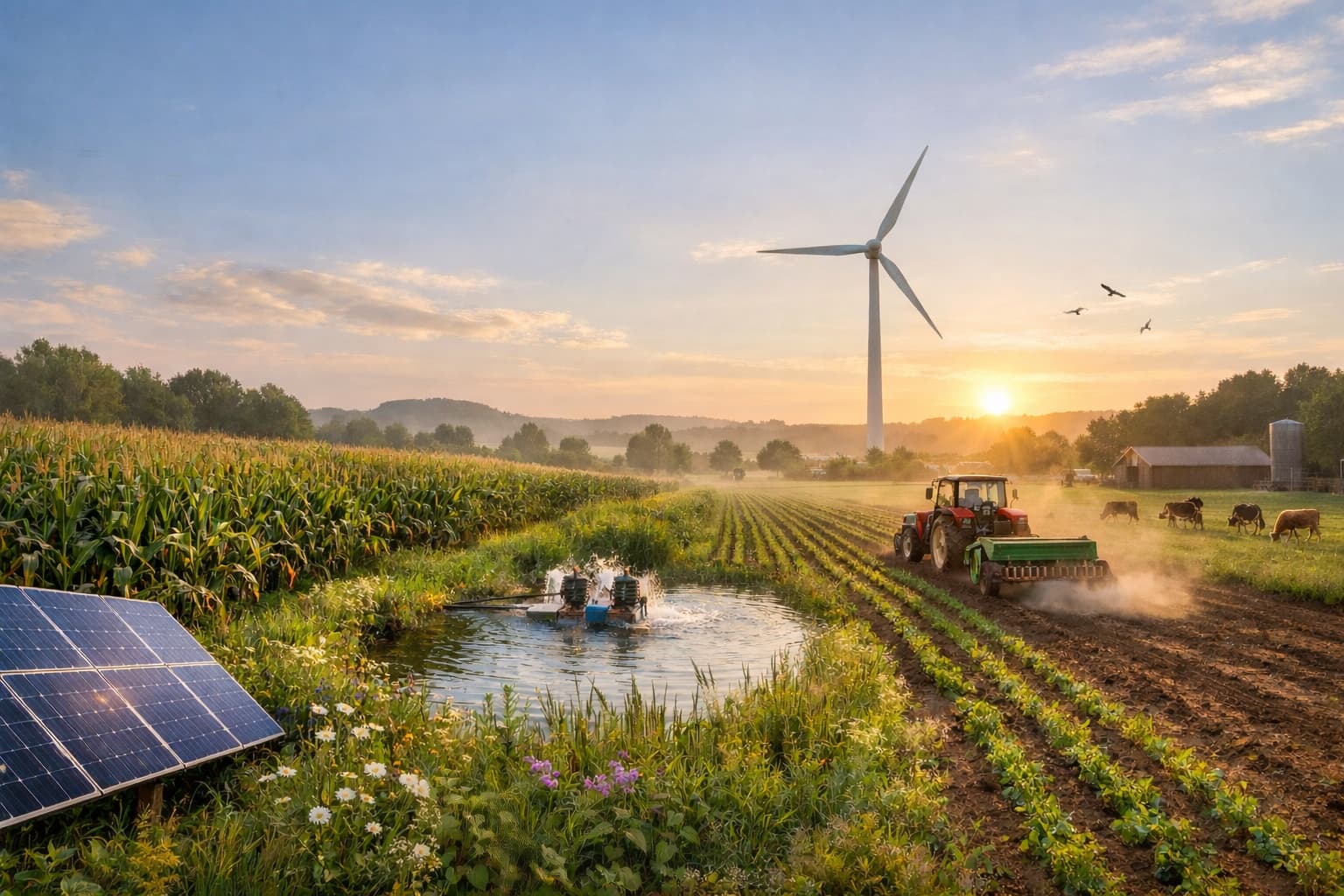
By minimising the overuse of chemical fertilisers, pesticides, and water, sustainable farming reduces environmental harm. Natural nutrient cycles, effective irrigation, and targeted pest control reduce runoff and save neighbouring ecosystems. This strategy sustains steady agricultural performance while protecting biodiversity over time.
Conserving Water Through Efficient Use
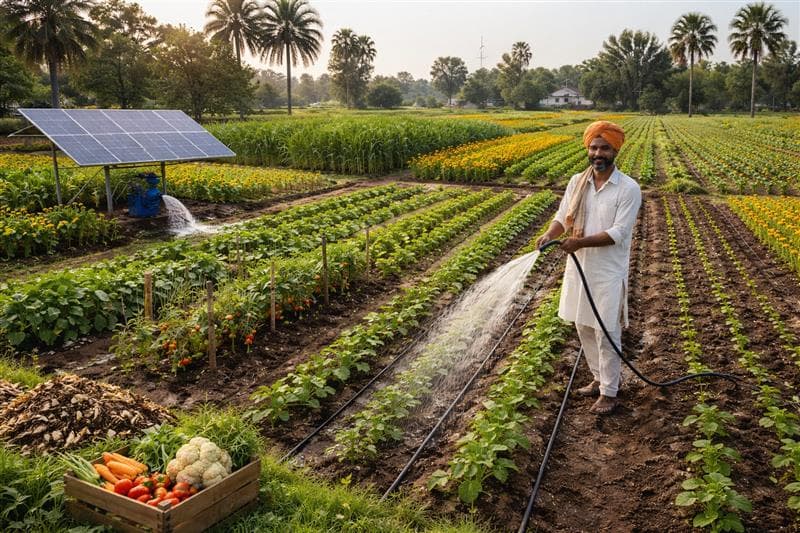
Long-term viability depends heavily on water conservation. Water reaches plant roots with the least amount of wastage thanks to effective irrigation techniques like drip irrigation and moisture-based scheduling. Particularly in areas where water scarcity is growing, these techniques save pumping costs, minimise crop stress, and increase overall water-use efficiency.
Using Renewable Energy on Farms
Another area where sustainable practices have an impact is energy use. In order to lessen reliance on diesel and grid electricity, solar energy is increasingly being used to power irrigation systems and other fundamental farm operations. The FAO's research on solar-powered irrigation systems demonstrates how these systems are a viable option for contemporary farms because they stabilise water access, cut fuel costs, and lessen long-term carbon emissions.
Supporting Responsible and Ethical Practices
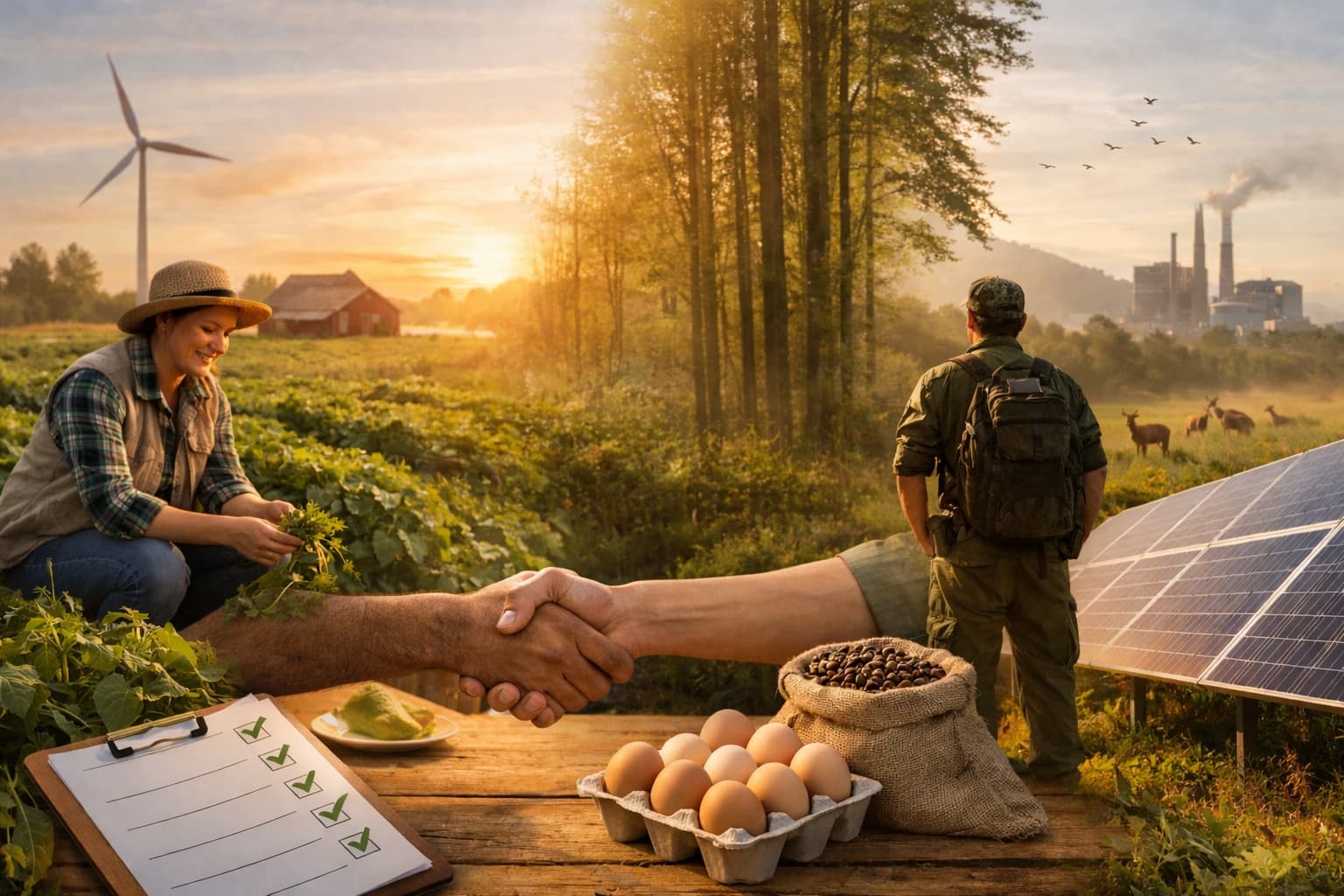
Beyond production methods, sustainability also affects how farming is carried out and encouraged. Farmers that utilize ethical agricultural practices prioritise long-term resource protection, fair labour standards, and appropriate land usage. This strategy promotes healthier rural communities and increases
Role of Digital Support in Sustainable Farming
These days, a lot of farmers use online agriculture platforms to help them make sustainable decisions. These systems offer validated inputs, helpful advice, and vital farming information all in one location. They assist farmers in lowering risk and transitioning to more sustainable farming practices
Conclusion
Sustainable farming is ultimately about consistent advancement rather than perfection. Farmers can create resilient operations that safeguard their livelihoods and the land for many years to come by enhancing soil health, conserving water, cutting waste, and making sensible use of energy.
SHARE :



Become a Delegate
Attend GARCX Conference as a delegate to gain expert insights, connect with global professionals, and explore cutting-edge solutions in agriculture and animal health.

Become a Speaker
Join global thought leaders at GARCX Conference to share your research and insights. Present your work on integrated agriculture and animal health before an international audience.

Become a Sponsor
Showcase your brand as a pioneer in One Health innovation. Sponsoring GARCX offers high-visibility branding and strategic exposure to industry leaders and researchers.

Publish with Us
Submit your scientific work to be featured in esteemed ARCC Journals. Gain credibility and reach in the global agricultural and veterinary research community.

Become an Exhibitor
Display your solutions, products, or innovations in agriculture and animal health at the GARCX Expo. Network with stakeholders and boost your industry presence.