
 23rd-24th November 2026
 Dusit Thani, Dubai | Hybrid Event
GLOBAL AGROVET RESEARCH CONFERENCE

POWERED BY
ARCC JOURNALS
POWERED BY
ARCC JOURNALS

22 January 2026
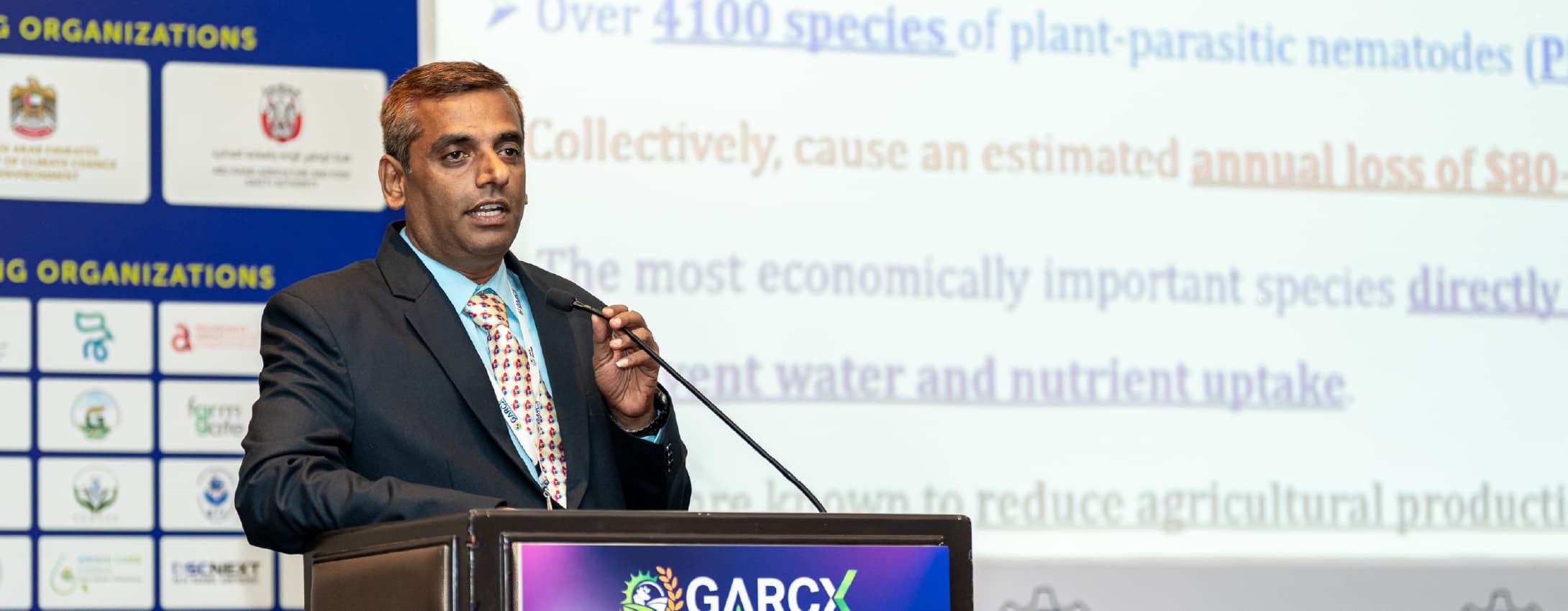
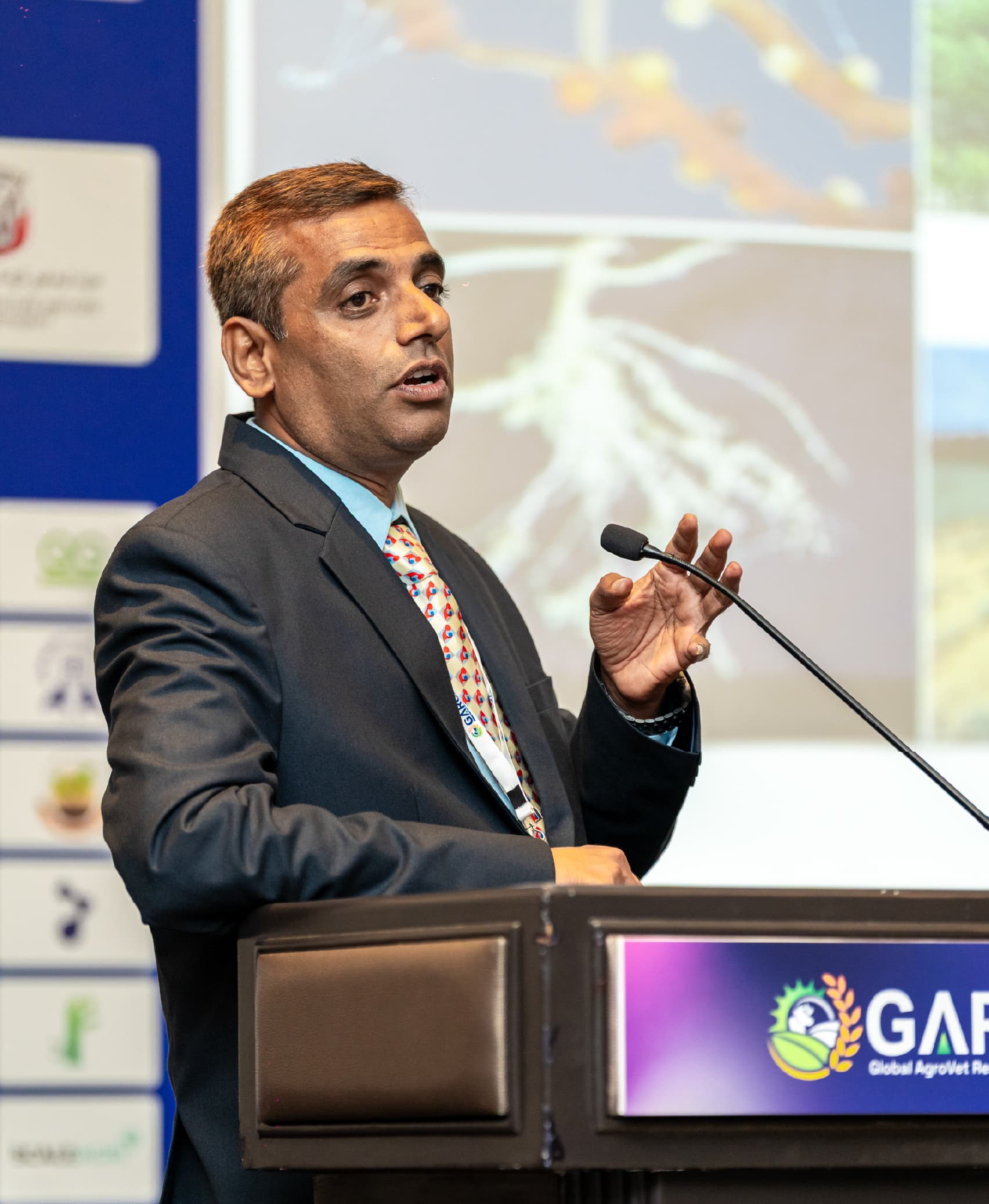
Mapping of Plant Pathogenic Nematode Population Structure Under Diverse Cropping Systems of Southern India
22 January 2026
ABSTRACT
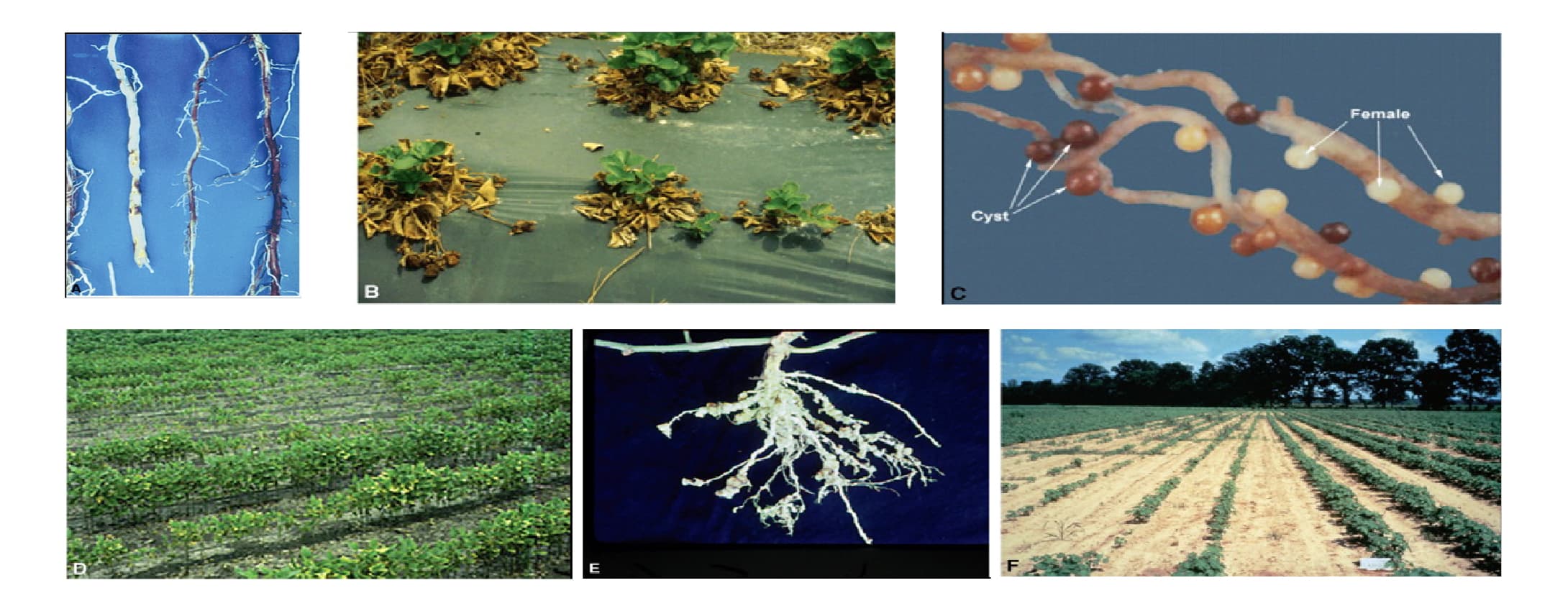
Plant parasitic nematodes (PPN) are among the most abundant soil-dwelling organisms, forming the largest phylum of the animal kingdom in soil environments. With diverse feeding habits and ecological niches, they are classified into various functional groups based on their biology and behavior. Although numerous global and national estimates exist for crop losses caused by nematodes, precise quantification remains challenging.
Root-knot disease, caused by several species of Meloidogyne (98 identified species), is responsible for nearly 5% of global yield losses annually. Nematode infestations tend to be more severe in tropical climates, horticultural crops, irrigated regions, and protected cultivation systems. Therefore, the present study aimed to map the population structure of nematodes across diverse cropping systems in five South Indian states—Karnataka, Kerala, Maharashtra, Telangana, and Tamil Nadu.
In total, 2064 soil samples were analyzed during 2023 and 2024. Of these, 1421 samples contained PPN, while 643 samples either had saprophytes or no PPN presence, resulting in an overall PPN incidence of 68.85%. Maharashtra submitted the highest number of samples (688), followed by Tamil Nadu (597) and Karnataka (538). Karnataka reported the highest proportion of PPN-positive samples (73.23%), followed by Tamil Nadu (70.02%) and Kerala (68.25%). Maharashtra recorded a relatively lower percentage (63.52%), possibly due to the prevalence of black soils.
The dominant PPN genera identified across the states were Meloidogyne, Helicotylenchus, and Pratylenchus. Kerala showed significant infestation of Meloidogyne and Helicotylenchus in cardamom-growing regions. Tamil Nadu exhibited a broader diversity, including Meloidogyne, Helicotylenchus, Pratylenchus, Rotylenchus, Tylenchorhynchus, and Radopholus. Tomato emerged as the most heavily affected crop in Karnataka, Maharashtra, and Tamil Nadu, underscoring the urgent need for region-specific nematode management strategies.
Dr. Ajithkumar, K.
Senior Scientist (Plant Pathology)
University of Agricultural Sciences, Raichur
Karnataka, India
SHARE :



Become a Delegate
Attend GARCX Conference as a delegate to gain expert insights, connect with global professionals, and explore cutting-edge solutions in agriculture and animal health.

Become a Speaker
Join global thought leaders at GARCX Conference to share your research and insights. Present your work on integrated agriculture and animal health before an international audience.

Become a Sponsor
Showcase your brand as a pioneer in One Health innovation. Sponsoring GARCX offers high-visibility branding and strategic exposure to industry leaders and researchers.

Publish with Us
Submit your scientific work to be featured in esteemed ARCC Journals. Gain credibility and reach in the global agricultural and veterinary research community.

Become an Exhibitor
Display your solutions, products, or innovations in agriculture and animal health at the GARCX Expo. Network with stakeholders and boost your industry presence.