
 23rd-24th November 2026
 Dusit Thani, Dubai | Hybrid Event
GLOBAL AGROVET RESEARCH CONFERENCE

POWERED BY
ARCC JOURNALS
POWERED BY
ARCC JOURNALS

24 December 2025
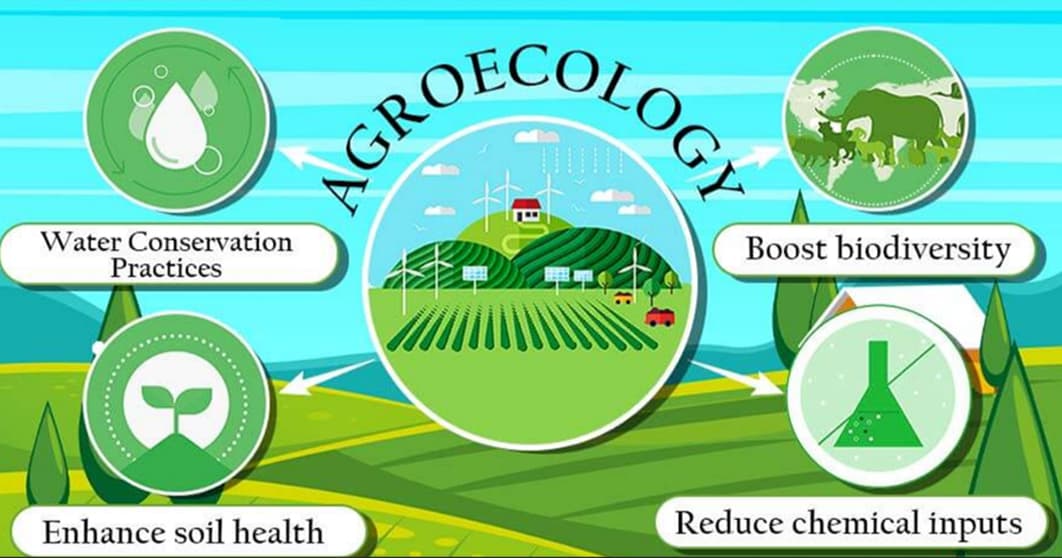
Agroecology: Linking Animal and Crop Health
24 December 2025
Background: The replacement of traditional farming methods with synthetic pesticides and fertilisers has disrupted biogeochemical cycles, reducing soil fertility, human well-being, and farm profitability. This study aimed to assess whether crop diversity integrated with livestock could improve soil health and economic returns.
Methods: A field experiment compared two systems. Field A featured paddy monocropping with chemical inputs alongside animal rearing. Field B implemented a bio-diverse cropping system—banana, jasmine, Azolla, and onion in the main field, with lemongrass and chrysanthemum on bunds. All crops were managed solely with Panchagavya and farmyard manure. Azolla served as poultry feed, and composted manure was applied to the soil. Soil health indicators, biodiversity, yield, and cost–benefit ratio were measured.
Results: Field A’s crop residues produced poor-quality manure when fed to livestock, whereas Field B’s organic residues resulted in nutrient-rich live compost. Field B achieved higher biodiversity, enhanced soil fertility, and greater yield per unit area. The cost–benefit ratio was 1:3.3, strongly favouring the bio-diverse organic system over monocropping.
Conclusion: Integrating diverse crops with organic nutrient sources and livestock significantly improves soil health while increasing economic returns. This represents a sustainable and effective alternative to monocropping with chemical inputs.
Dr. Kothai Seshathri
Professor and Head – Agricultural Microbiology
Dept. of Natural Resource Management
College of Agricultural Sciences, SRM Institute of Science and Technology (SRMIST)
SHARE :



Become a Delegate
Attend GARCX Conference as a delegate to gain expert insights, connect with global professionals, and explore cutting-edge solutions in agriculture and animal health.

Become a Speaker
Join global thought leaders at GARCX Conference to share your research and insights. Present your work on integrated agriculture and animal health before an international audience.

Become a Sponsor
Showcase your brand as a pioneer in One Health innovation. Sponsoring GARCX offers high-visibility branding and strategic exposure to industry leaders and researchers.

Publish with Us
Submit your scientific work to be featured in esteemed ARCC Journals. Gain credibility and reach in the global agricultural and veterinary research community.

Become an Exhibitor
Display your solutions, products, or innovations in agriculture and animal health at the GARCX Expo. Network with stakeholders and boost your industry presence.